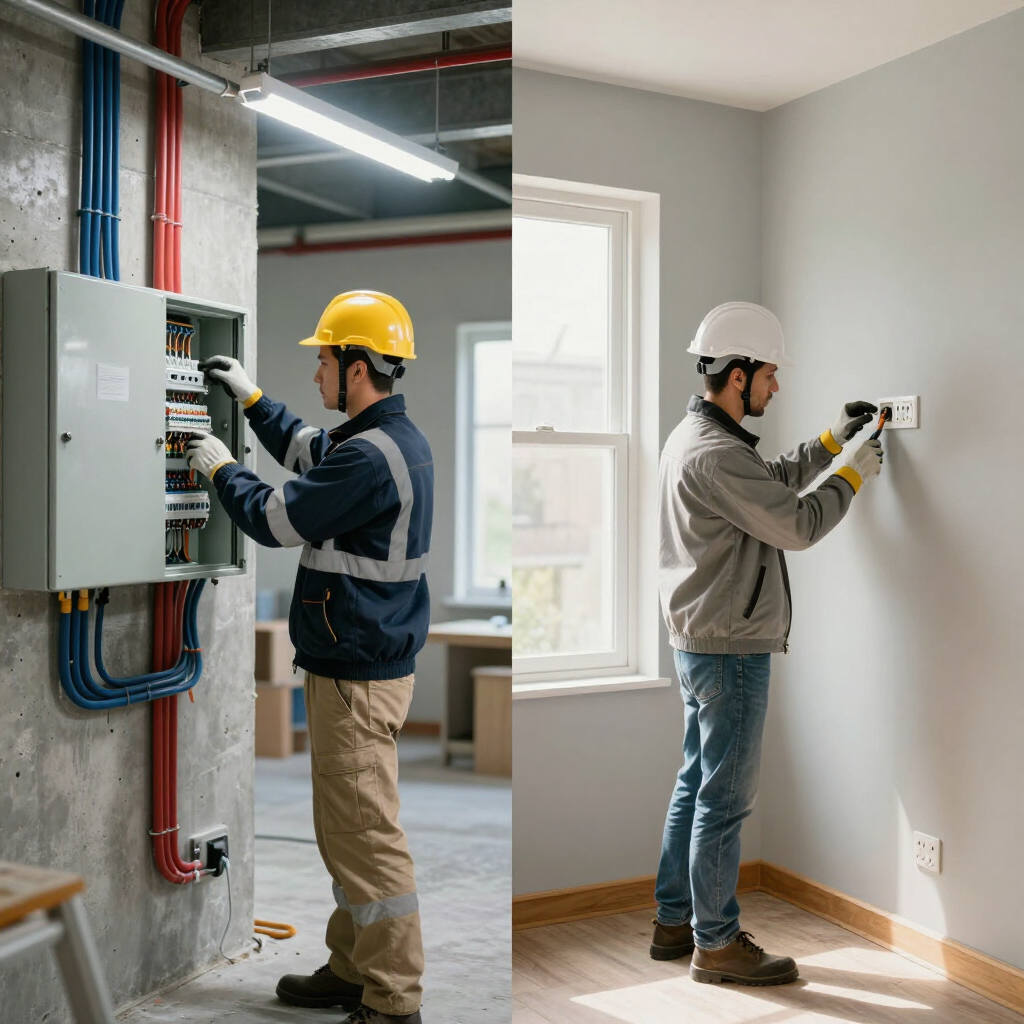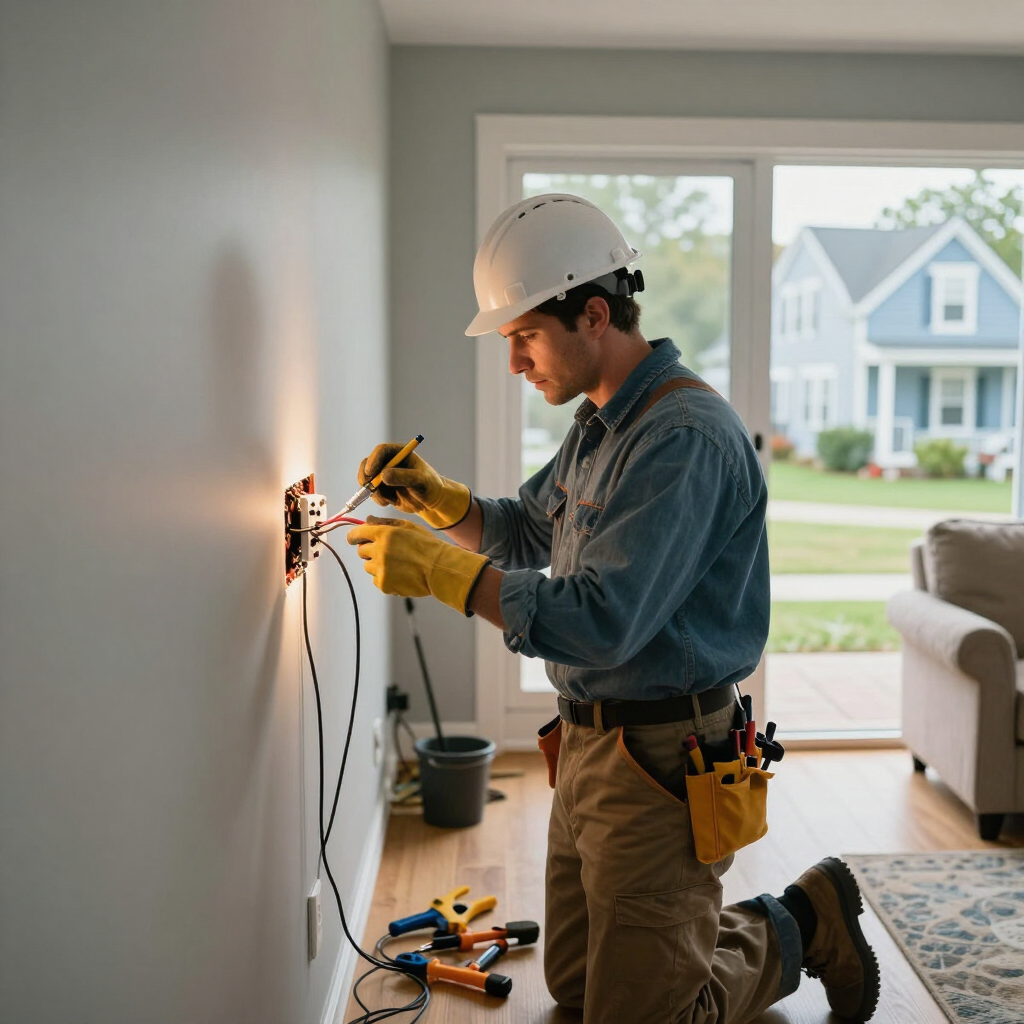
Electrical problems can develop quietly and become serious safety concerns. Frequently tripped breakers, damaged outlets, flickering lights, overloaded circuits, and exposed wiring are warning signs homeowners should never ignore.
For homeowners in Monmouth County, Ocean County, and throughout New Jersey, recognizing common electrical hazards can help prevent accidents, property damage, and unexpected electrical failures. When problems keep returning, a licensed electrician should inspect the system and identify the cause.
Why Electrical Safety Matters
Today's homes depend on electricity for appliances, HVAC systems, computers, entertainment, smart devices, and EV chargers. As electrical demand increases, older wiring, circuits, and panels may struggle to keep up.
According to the Electrical Safety Foundation International (ESFI), warning signs of electrical problems can include frequently tripped breakers, flickering lights, warm or discolored outlets, buzzing sounds, and burning odors.
Here are some of the most common hazards homeowners should watch for:
| Electrical Hazard | Why It Matters |
|---|---|
| Tripped breakers | May indicate an overloaded circuit |
| Damaged outlets | Can create shock or overheating risks |
| Flickering lights | May indicate wiring or circuit problems |
| Extension cord overuse | Can overload circuits |
| Exposed wiring | Creates electrical shock and fire risks |
1. Overloaded Circuits
Running too many high-demand devices on one circuit can cause breakers to trip. A breaker that trips occasionally may simply be responding to temporary overload, but repeated trips deserve attention.
Avoid plugging too many appliances into one outlet or power strip. If your breakers regularly trip, a Residential Electrician can evaluate the circuit and determine whether repairs or additional electrical capacity are needed.
2. Damaged Outlets and Switches
Outlets and switches experience daily wear. Watch for loose receptacles, cracked covers, discoloration, sparks, buzzing sounds, or surfaces that feel unusually warm.
These symptoms can indicate damaged components or loose electrical connections. Stop using an outlet that shows signs of overheating or significant damage until it has been professionally inspected.
3. Extension Cords Used Permanently
Extension cords are intended for temporary use, not as permanent household wiring.
If you regularly rely on extension cords because your home lacks enough outlets, consider having additional receptacles installed. Never place extension cords underneath rugs or use cords with cracked insulation, exposed wires, or damaged plugs.
4. Flickering or Dimming Lights
One flickering light may simply mean a bulb needs attention. However, lights that repeatedly flicker or dim when appliances turn on can indicate an overloaded circuit, loose connection, or another electrical problem.
If flickering affects several fixtures or continues after replacing the bulb, schedule a professional inspection.
5. Outdated Electrical Panels
Electrical demands have changed significantly as homeowners add larger appliances, home offices, smart technology, and electric vehicles.
An older panel may not have sufficient capacity for these additions. Frequent breaker trips, panel-related noises, or difficulty supporting new equipment are reasons to request an evaluation.
East Coast Lighting and Energy, LLC. provides Panel Upgrade services for New Jersey homeowners who need additional electrical capacity or updated equipment.
6. Exposed or Damaged Wiring
Frayed insulation, exposed conductors, pest damage, and moisture-damaged wiring should never be ignored.
Do not touch exposed household wiring or attempt an unfamiliar DIY repair. Keep people and pets away from the area and contact a licensed electrician.
7. Ignoring Electrical Warning Signs
Burning smells, buzzing outlets, warm wall plates, recurring breaker trips, and unusual electrical noises are not problems to postpone.
Routine electrical inspections can be particularly useful for older homes, recently purchased properties, renovations, or homes experiencing repeated electrical issues.
Simple Electrical Safety Tips
Homeowners can reduce everyday electrical risks by following a few basic practices:
- Avoid overloading outlets and power strips.
- Replace damaged cords and plugs.
- Use extension cords only temporarily.
- Test GFCI outlets regularly.
- Keep your electrical panel accessible.
- Never ignore burning smells or unusual heat.
- Hire a licensed electrician for electrical repairs and installations.
Frequently Asked Questions
Are frequently tripped breakers normal?
Occasional trips can happen, but repeated breaker trips may indicate an overloaded circuit or another electrical problem that requires professional evaluation.
When should I call an electrician?
Call a licensed electrician if you notice persistent flickering lights, warm or damaged outlets, burning odors, buzzing sounds, exposed wiring, or breakers that repeatedly trip.
Should I upgrade an older electrical panel?
Not every older panel automatically needs replacement. A licensed electrician can evaluate its condition, capacity, and ability to support your home's current and future electrical needs.
Protect Your New Jersey Home
Electrical problems are easier to address when warning signs are caught early. East Coast Lighting and Energy, LLC. provides residential electrical services, inspections, repairs, and upgrades for homeowners throughout Monmouth County, Ocean County, and surrounding New Jersey communities.
Concerned about an electrical issue? Contact East Coast Lighting and Energy, LLC. to request professional electrical service.
Top Electrical Safety Hazards Every Homeowner Should Know

Top Electrical Safety Hazards Every Homeowner Should Know
Recent Posts