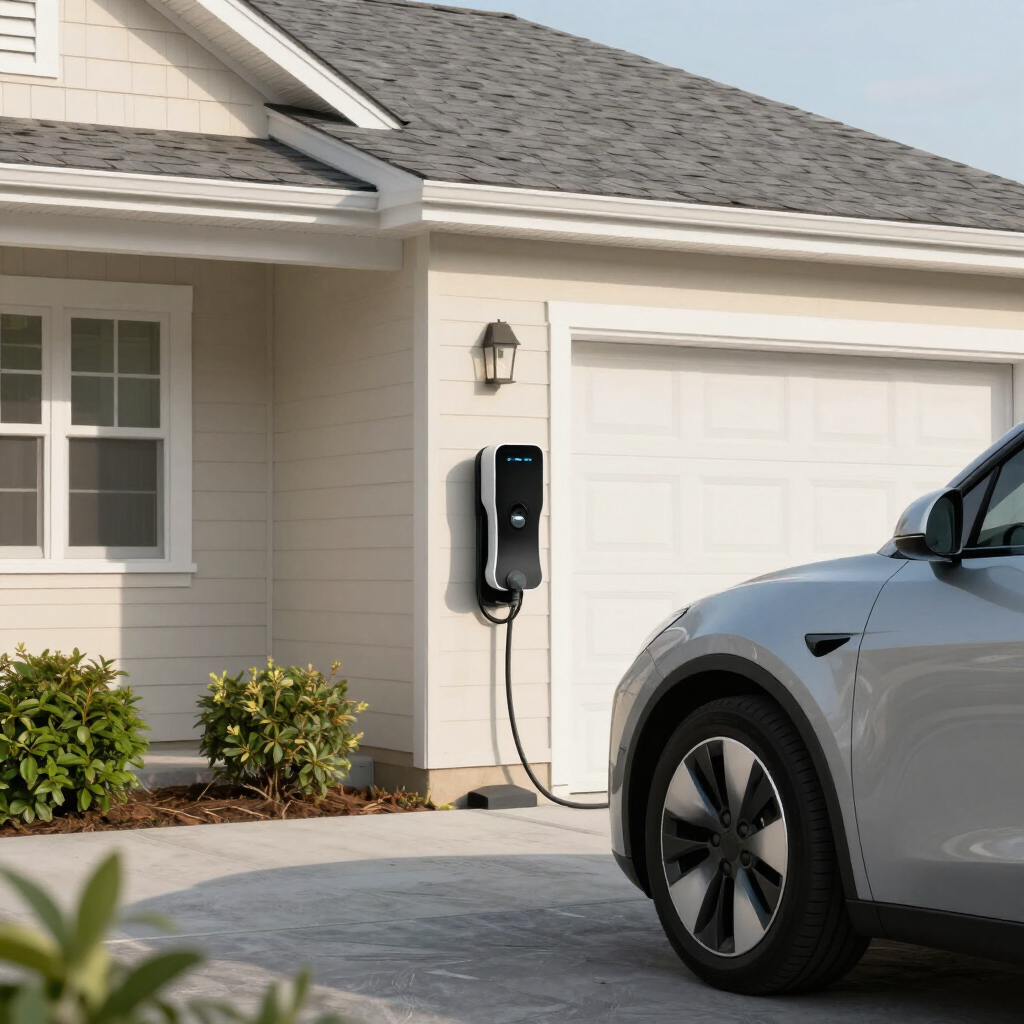
Electric vehicles are becoming a common sight on New Jersey roads, and more homeowners are choosing the convenience of charging their vehicles at home. While many electric vehicles include a standard charging cable, installing a dedicated home EV charger provides faster charging, greater convenience, and dependable performance. Understanding how the installation process works can help you prepare your home and make informed decisions before your new charger is installed.
Why Install a Home EV Charger?
Charging your electric vehicle at home means you can start each day with a fully charged battery without relying on public charging stations. A professionally installed EV charger offers improved charging speed, greater reliability, and a charging solution designed specifically for your home's electrical system.
For homeowners in Monmouth County, Ocean County, and throughout New Jersey, a home EV charger is becoming an increasingly practical addition as electric vehicle ownership continues to grow.
| Benefit | Why It Matters |
|---|---|
| Faster charging | Reduces charging time compared to standard outlets |
| Added convenience | Charge your vehicle whenever it's parked at home |
| Improved safety | Professionally installed equipment reduces electrical risks |
| Reliable performance | Dedicated circuit provides consistent power |
| Ready for the future | Supports growing household electrical needs |
Choosing the Right EV Charger
Most homeowners install a Level 2 EV charger because it provides significantly faster charging than a standard household outlet.
Before installation, a licensed electrician will evaluate your home's electrical system to determine whether your existing electrical panel has enough available capacity. If additional electrical upgrades are needed, they can be identified before installation begins, helping ensure your charger operates safely and efficiently.
Choosing the right charger also depends on your vehicle, daily driving habits, and where the charger will be installed.
Selecting the Best Installation Location
A convenient location makes daily charging easier while protecting both the charger and your vehicle.
Many homeowners choose locations such as:
- Inside the garage
- Attached carports
- Driveways
- Exterior garage walls
During the planning process, your electrician will consider cable length, accessibility, weather exposure, and proximity to your electrical panel to recommend the best installation location.
Why Professional Installation Matters
Installing an EV charger involves much more than mounting equipment on a wall. The charger becomes part of your home's electrical system and must be installed according to current electrical codes.
A licensed electrician will:
- Inspect your electrical panel
- Verify available electrical capacity
- Install a dedicated circuit
- Complete proper wiring connections
- Test the charger for safe operation
- Ensure the installation meets applicable code requirements
Professional installation helps protect your home while providing dependable performance for years to come.
Is Your Electrical Panel Ready?
Not every home requires an electrical panel upgrade before installing an EV charger, but every home's electrical system should be evaluated first.
Many older homes throughout New Jersey were built before electric vehicles became common. If your electrical panel is already supporting large appliances, HVAC equipment, or recent home additions, additional capacity may be necessary.
A professional electrical inspection helps determine the safest approach based on your home's existing electrical infrastructure.
Common Mistakes to Avoid
Planning ahead can help prevent delays and ensure a smooth installation.
Avoid these common mistakes:
- Installing the charger without evaluating your electrical panel
- Choosing an inconvenient charging location
- Hiring an unlicensed contractor
- Ignoring local electrical codes
- Using extension cords or temporary wiring solutions
Working with an experienced electrical contractor helps ensure every aspect of the installation is completed correctly.
Benefits of Working With a Licensed Electrician
Installing an EV charger is an investment in your home's electrical system. Choosing a licensed electrician provides confidence that every component has been installed safely and professionally.
An experienced electrical contractor can also answer questions about future electrical upgrades, generator installations, panel capacity, and other improvements that may benefit your home as your electrical needs continue to grow.
Frequently Asked Questions
Can every home support an EV charger?
Most homes can accommodate an EV charger, but the electrical system should be evaluated first to determine whether any upgrades are recommended.
How long does EV charger installation take?
Installation time depends on the home's electrical system, the location of the charger, and whether additional electrical work is required.
Should the charger be installed indoors or outdoors?
Many EV chargers are designed for either location. A licensed electrician can recommend the best placement based on your home's layout and your daily charging routine.
Contact East Coast Lighting and Energy, LLC.
Whether you're purchasing your first electric vehicle or upgrading your home's electrical system, East Coast Lighting and Energy, LLC. provides professional EV charger installation throughout Monmouth County, Ocean County, and communities across New Jersey. Our licensed electricians install dependable charging solutions that prioritize safety, performance, and long-term reliability.
Call East Coast Lighting and Energy, LLC at (732) 222-5197 or email eastcoastlightingenergy@gmail.com for inquiries or assistance.
External Resource: U.S. Department of Energy –
https://www.energy.gov
Everything You Need to Know About EV Charger Installation at Home in New Jersey
Everything You Need to Know About EV Charger Installation at Home in New Jersey