Power outages can happen without warning, especially during severe storms, high winds, or utility interruptions. For many New Jersey homeowners, a backup generator provides peace of mind by keeping essential systems running when the power goes out. Whether you're protecting your family, preserving refrigerated food, or maintaining medical equipment, understanding the installation process helps you prepare for a reliable backup power solution.
Why Install a Backup Generator?
A standby generator automatically restores power when your home loses electricity. Unlike portable generators that require manual setup, standby systems are permanently installed and connected to your home's electrical system.
For homeowners throughout Monmouth County, Ocean County, and across New Jersey, a backup generator offers dependable protection during unexpected outages and severe weather events.
| Benefit | Why It Matters |
|---|---|
| Automatic operation | Restores power without manual intervention |
| Reliable backup power | Keeps essential appliances operating |
| Added safety | Eliminates the need for extension cords |
| Increased convenience | Supports everyday comfort during outages |
| Long-term reliability | Professionally installed for dependable performance |
Choosing the Right Generator
Every home has different electrical needs. Some homeowners only want to power essential systems, while others prefer whole-home backup power.
A licensed electrician will evaluate your home's electrical system and help determine the generator size that best fits your household's needs. Factors such as your home's electrical demand, major appliances, heating and cooling systems, and future electrical upgrades all play a role in selecting the right generator.
Why Professional Installation Matters
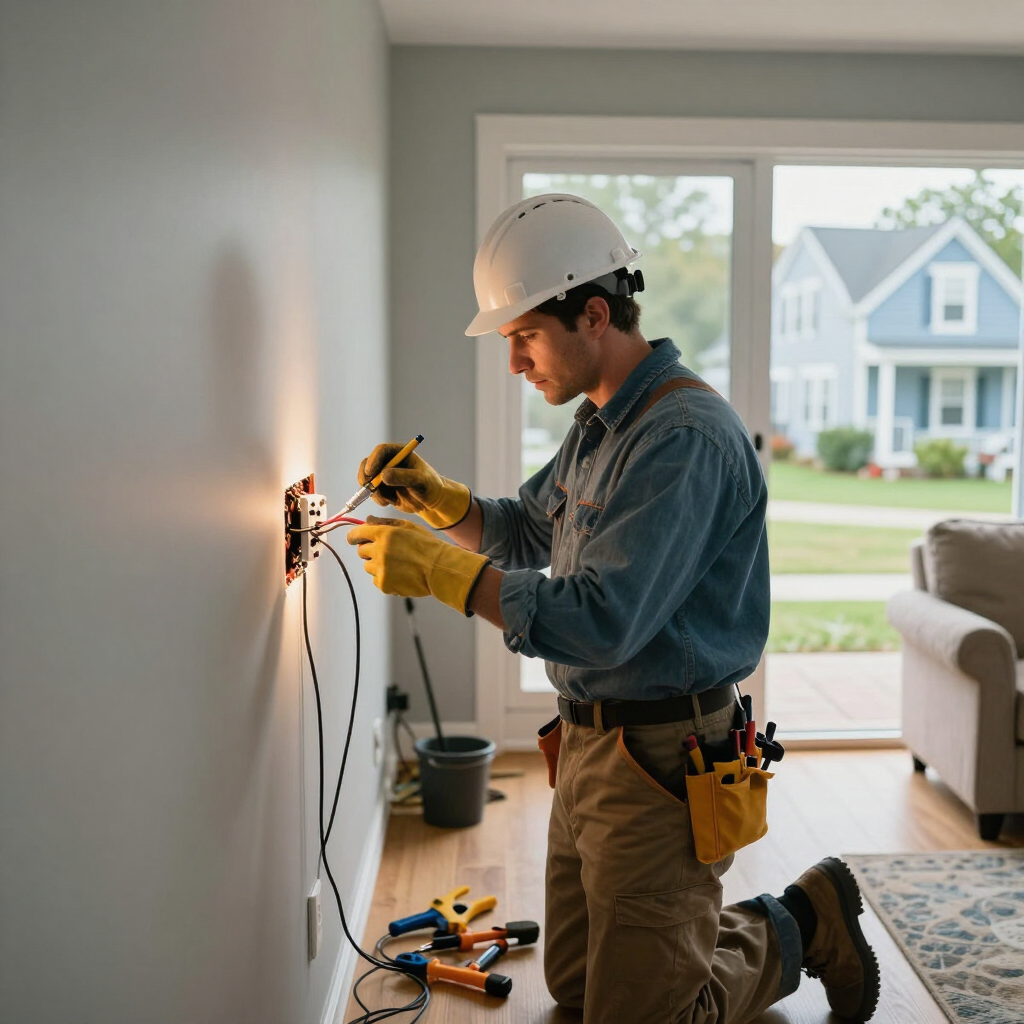
Backup generator installation involves more than placing equipment beside your home. The system must integrate safely with your electrical panel and comply with local electrical and building codes.
Professional installation typically includes:
- Evaluating your electrical system
- Installing a transfer switch
- Connecting the generator safely
- Testing system operation
- Verifying code compliance
- Inspecting overall system performance
Hiring a licensed electrician helps ensure your generator operates safely whenever it's needed.
Is Your Electrical Panel Ready?
Before installing a standby generator, your electrical panel should be inspected.
Some homes may already have adequate capacity, while others may benefit from electrical improvements to support the new equipment. Completing this evaluation before installation helps prevent future electrical issues and ensures reliable performance.
If your panel has limited capacity or shows signs of age, your electrician can recommend the most appropriate solution.
Choosing the Best Installation Location
Generator placement is an important part of the installation process.
Your electrician will consider:
- Local building requirements
- Manufacturer installation guidelines
- Accessibility for maintenance
- Ventilation requirements
- Distance from doors and windows
- Available utility connections
Selecting the proper location helps maximize safety and long-term reliability.
Keep Your Generator Ready
Like any mechanical equipment, backup generators require routine maintenance to remain dependable.
Regular inspections help verify:
- Battery condition
- Fuel supply
- Electrical connections
- Automatic operation
- Overall system performance
Preventive maintenance helps ensure your generator is ready whenever severe weather or unexpected outages occur.
Benefits of Installing a Backup Generator
A professionally installed backup generator provides homeowners with several important advantages:
- Reliable power during outages
- Protection for essential appliances
- Improved home safety
- Greater convenience during storms
- Support for medical equipment and home offices
- Confidence that your electrical system is prepared for emergencies
For many New Jersey homeowners, a standby generator is an investment in both comfort and peace of mind.
Frequently Asked Questions
How does a standby generator work?
A standby generator automatically detects a power outage and supplies electricity to your home through a transfer switch until utility power is restored.
Does every home need a backup generator?
Not every home requires one, but homeowners who experience frequent outages or rely on critical electrical equipment often benefit from installing a standby generator.
Should my electrical system be inspected before installation?
Yes. A licensed electrician should evaluate your electrical panel and overall electrical system before installing a backup generator.
Contact East Coast Lighting and Energy, LLC.
If you're considering a backup generator for your home,
East Coast Lighting and Energy, LLC. provides professional generator installation throughout Monmouth County, Ocean County, and communities across New Jersey. Our licensed electricians install dependable backup power systems designed for safety, reliability, and long-term performance.
The Complete Guide to Backup Generator Installation for New Jersey Homes

The Complete Guide to Backup Generator Installation for New Jersey Homes